



Driven by Technology and Innovation
A New Paradigm for Disaster Prevention
Located on the Pacific Ring of Fire, Taiwan's terrain is predominantly mountainous and hilly[cite: 208], characterized by young, fragmented, and structurally weak geology. Frequent heavy rainfall from typhoons and seasonal plum rains makes slope hazards one of the nation's most significant natural disaster types. These hazards, which include sudden onset, high concentration, and chain reactions, often manifest as collapses, debris flow[cite: 34], and landslides, with risks further compounded by human development pressures.
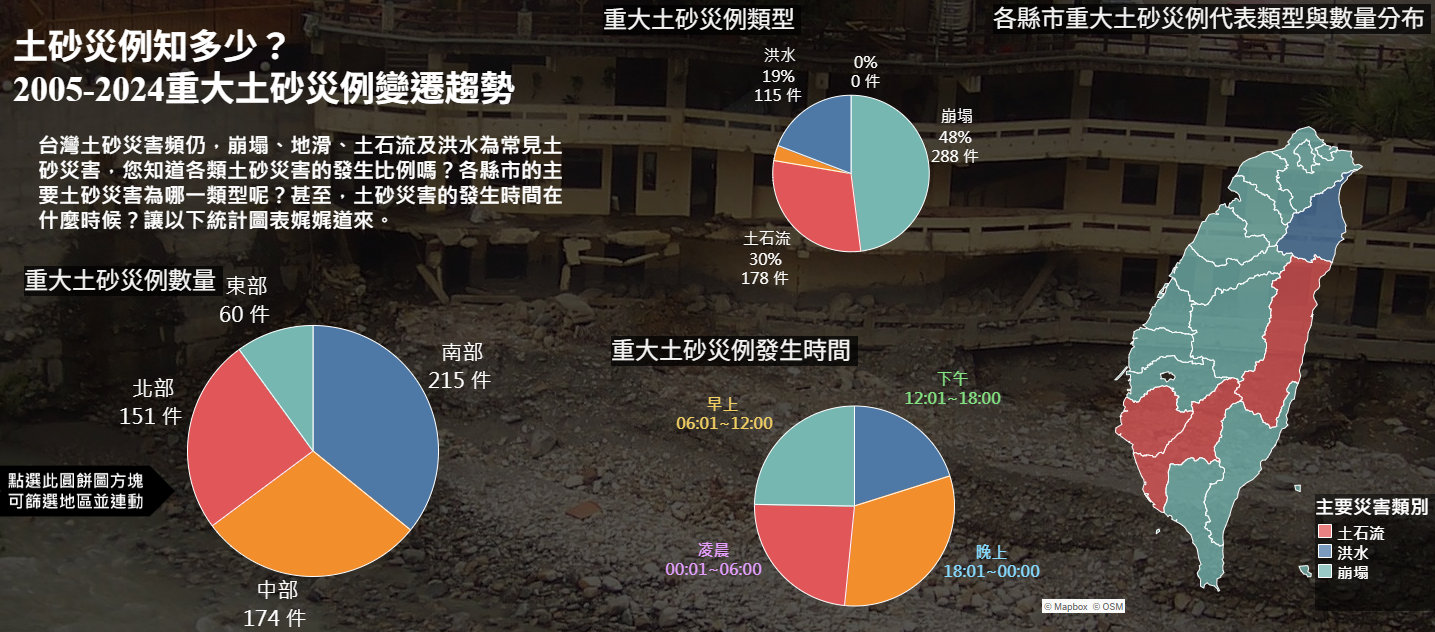
![@*2006-2024年月平均最大有效累積雨量及重大土砂災例數*@ Monthly Average Maximum Effective Accumulated Rainfall and Number of Major 『sediment-related disaster』 [cite: 53] Cases (2006-2024)](../../Images/Slope/TWFeatures/TWFeatures_02.png)
![@*重大土砂災例統計*@ Statistics of Major 『sediment-related disaster』 [cite: 53] Cases](../../Images/Slope/TWFeatures/TWFeatures_01.png)
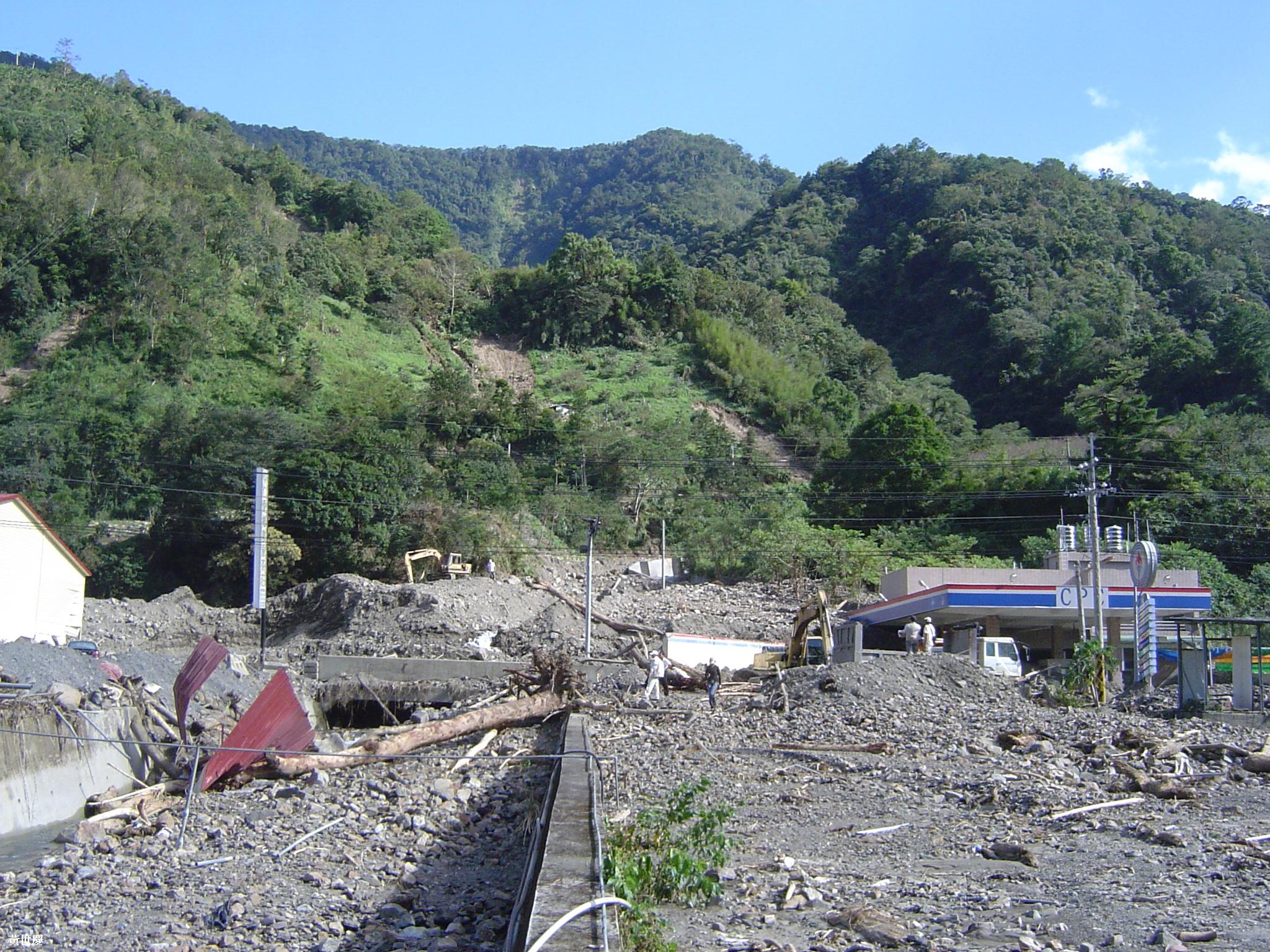
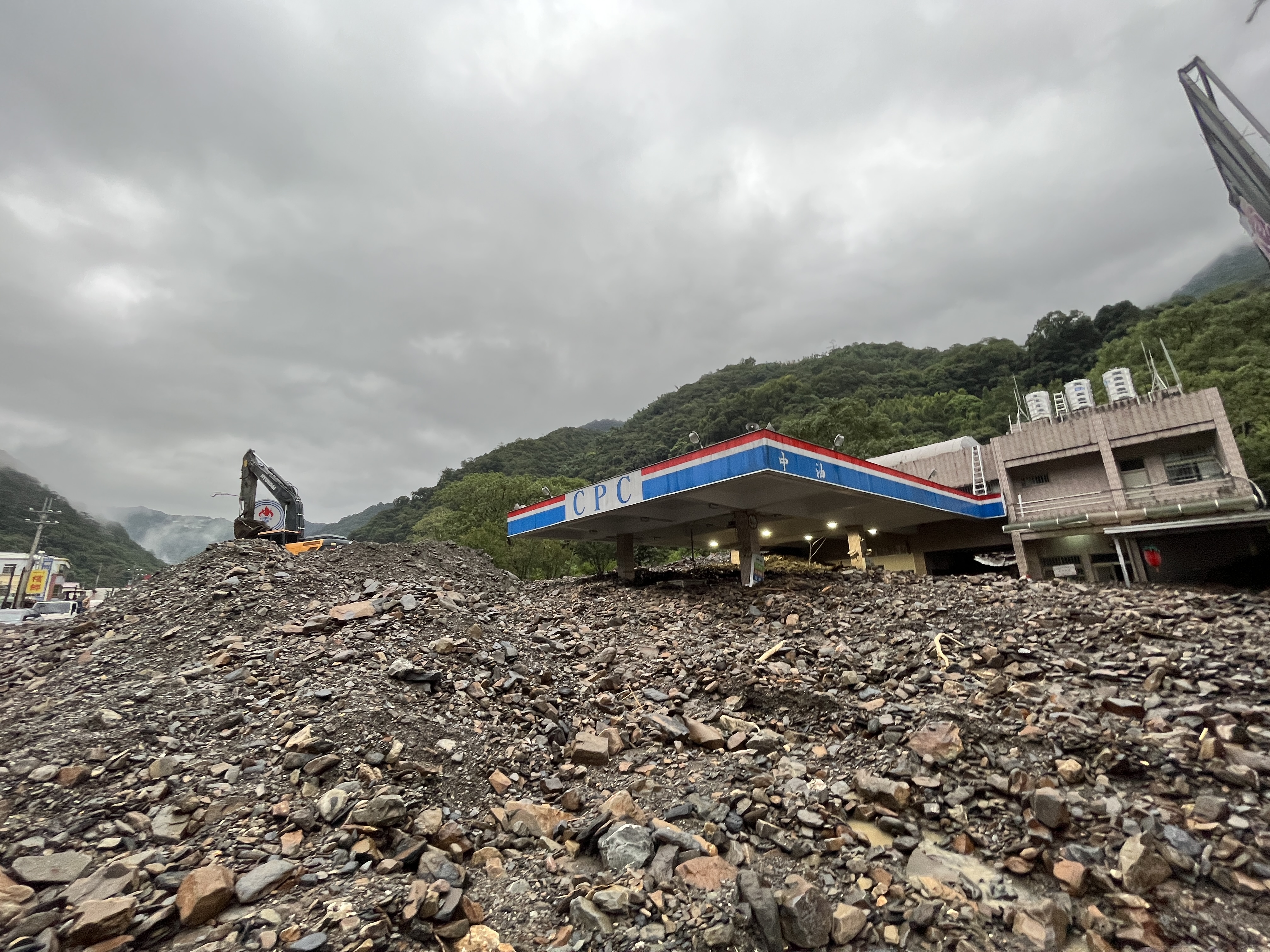
A gas station in Nanfeng Village, Ren'ai Township, Nantou County (Coordinates: 24.00354, 121.08597), is regarded as the structure in Taiwan buried by debris flow [cite: 34] the highest number of times. This incident underscores the recurrent and difficult-to-mitigate nature of debris flow[cite: 34], demonstrating that even enhanced engineering measures cannot entirely eliminate the risk. Since its establishment, the station has been buried at least 7 times. The key events include:
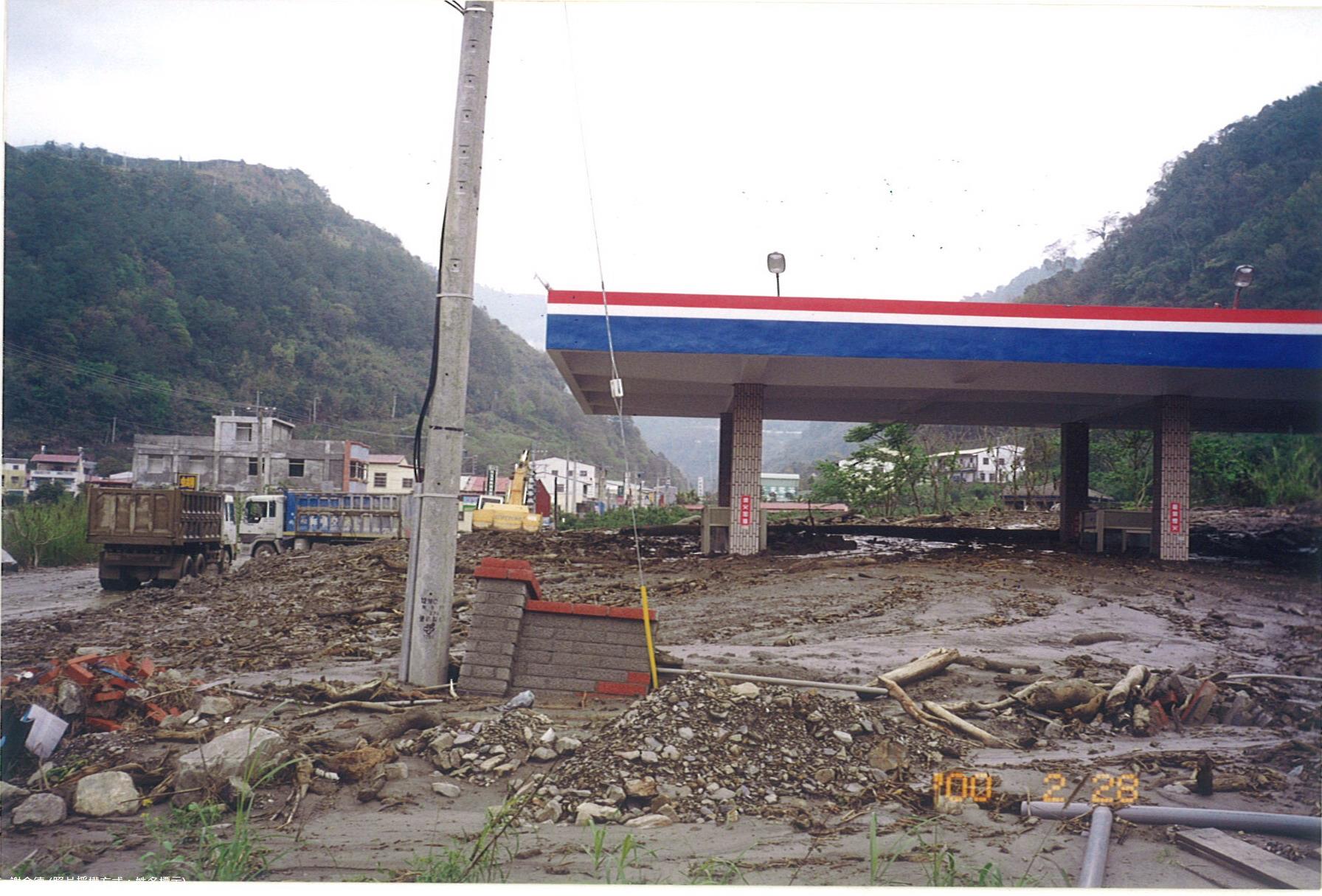
![@*2000年4月:短時間內連續遭土石流掩埋 2 次*@ April 2000: Buried by debris flow [cite: 34] twice consecutively within a short period](../../Images/Slope/TWFeatures/TWFeatures_05.jpg)
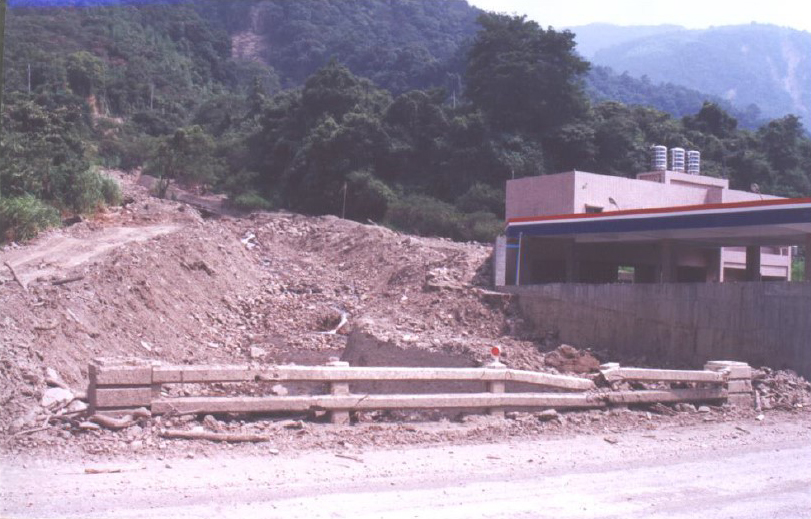
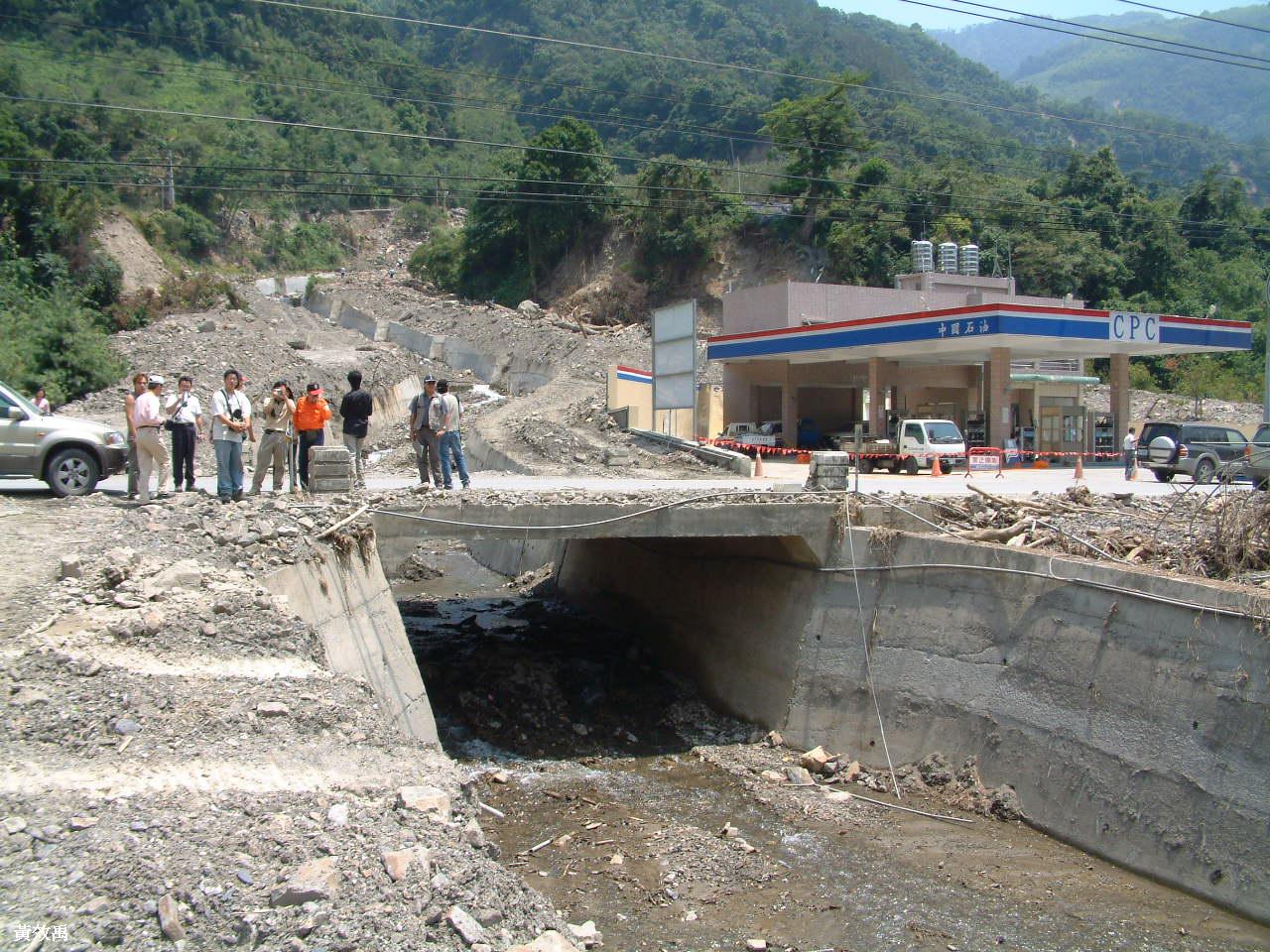

Agency of Rural Development and Soil and Water Conservation(ARDSWC), MOA.
No.6, Guang-Hua Rd., Chung-Hsing New Village, Nantou, Taiwan, R.O.C.
Office hour:Monday to Friday
08:30~12:30, 13:30~17:30